News

An important androgenic drug

2026-01-05 0 Lasă-mi un mesaj

Testosterone propionate is an artificially synthesized androgenic drug. As a propionate derivative of testosterone, it retains the core physiological activity of testosterone while optimizing the drug's absorption and duration of action through structural modification. It has extensive and significant applications in the medical clinical field. This article will comprehensively analyze testosterone propionate from aspects such as basic information, pharmacological effects, clinical applications, usage and dosage, adverse reactions, and precautions.

I. Basic Information

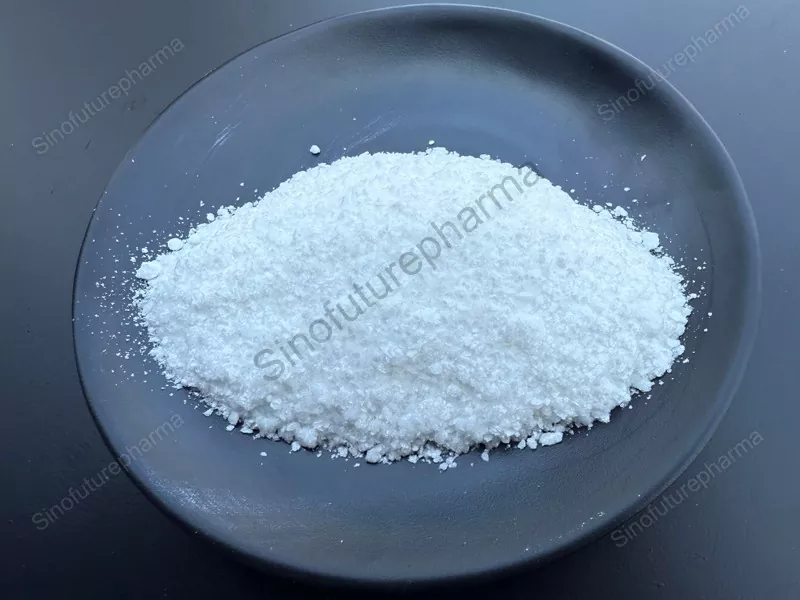
The chemical name of propionyl testosterone is 17β-hydroxyandrost-4-ene-3-one propionate, with the molecular formula of C22H32O3 and a molecular weight of 344.49. Its appearance is usually white crystals or crystalline powder, odorless. It is highly soluble in chloroform, easily soluble in ethanol or ether, slightly soluble in ethyl acetate, slightly soluble in vegetable oil, and insoluble in water. This drug is a lipid-soluble compound, and this property determines that its administration method is mainly by injection. The common dosage forms are propionyl testosterone injection, with specifications such as 1ml:25mg, 1ml:50mg, etc. It needs to be sealed and stored in a dark place.

II. Pharmacological Effects

The main pharmacological effect of propionate testosterone is to supplement or replace the androgens in the body and exert androgen-like effects. This can be further divided into the following aspects:

1. Effects on the reproductive system: It promotes the development and maturation of male sexual organs, including testicles, penis, prostate, etc., and maintains male secondary sexual characteristics, such as beard growth, deepening of voice, distribution of pubic and armpit hair, etc.; for females, it can counteract the effects of estrogen, inhibit endometrial hyperplasia, and reduce the weight of the ovaries and uterus. In addition, it can promote sperm production and maturation, and maintain normal reproductive functions.

2. Effects on metabolism: It promotes protein anabolic metabolism, reduces protein catabolism, helps in muscle growth, weight gain, and improves the weak state of the body; it promotes bone growth and development, accelerates calcium deposition, enhances bone strength, and has a certain regulatory effect on the closure of bones during adolescence; at the same time, it can promote red blood cell production, increase hemoglobin levels, and improve anemia symptoms.

3. Effects on the nervous system: Regulates the functions of the central nervous system, enhances the body's stress response ability, improves fatigue and weakness conditions, and has a certain auxiliary effect on emotional regulation.

From the perspective of pharmacokinetics, propionate testosterone is rapidly absorbed after intramuscular injection. The blood drug concentration reaches its peak within 1-2 hours after injection. The drug is mainly distributed in tissues such as the liver, kidneys, testicles, and prostate in the body. It is metabolized and inactivated by the liver, and the metabolites are mainly excreted through urine. The half-life is approximately 10-100 minutes. Due to the first-pass effect, it is not suitable for oral administration.

III. Clinical Application

Based on its pharmacological effects, propionate testosterone is mainly used in clinical settings to treat the following diseases:

Male androgen deficiency syndrome: This condition is caused by insufficient androgen secretion due to congenital testicular dysplasia, testicular atrophy, azoospermia, etc. It can be alleviated by supplementing testosterone propionate, which can improve symptoms such as incomplete development of sexual organs, absence of secondary sexual characteristics, and sexual dysfunction.

2. Female-related diseases: It is used to treat functional uterine bleeding by counteracting the effects of estrogen, causing the uterine lining to shrink and reducing bleeding; it can also be used to treat uterine fibroids, alleviating symptoms such as bleeding and abdominal pain caused by the fibroids; in addition, it can be used for palliative treatment of post-menopausal breast cancer, especially for patients with negative estrogen receptors, by inhibiting the growth of breast cancer cells and delaying the progression of the disease.

3. Anemia: It is used to treat anemia caused by conditions such as aplastic anemia and myelofibrosis. By promoting red blood cell production and increasing hemoglobin levels, it helps alleviate symptoms such as fatigue and pale complexion caused by anemia.

4. Others: It can be used to treat conditions such as weak constitution and malnutrition, by promoting protein synthesis and helping the body recover. It can also be used as an adjunctive treatment for osteoporosis, especially for male patients with osteoporosis, to enhance bone strength.

IV. Usage and Dosage

The usage of propyltestosterone is by intramuscular injection. The specific dosage should be adjusted according to the type of the disease being treated. The following are the reference dosages for general use:

Male androgen deficiency syndrome: 25-50mg once, 2-3 times a week. The treatment duration depends on the condition and usually requires long-term maintenance therapy.

2. Functional uterine bleeding: Take 25-50mg once daily for 3-5 days. Once the bleeding stops, gradually reduce the dosage until discontinuation.

3. Uterine fibroids: Take 25-50mg each time, twice a week. Use for 3-6 months continuously. Observe the size of the fibroids and the improvement of symptoms.

4. Postmenopausal breast cancer: 50-100mg each time, taken 3 times a week. The treatment course usually lasts for 2-3 months and is adjusted according to the patient's condition.

5. Aplastic anemia: 50-100 mg each time, taken once daily or every other day. Continue the treatment for more than 6 months until the blood test results improve.

It should be noted that the exact dosage should be determined under the guidance of a doctor. The dosage should be adjusted flexibly based on factors such as the patient's age, weight, and severity of the condition. Do not increase or decrease the dosage on your own.

V. Adverse Reactions

During the use of propionate testosterone, various adverse reactions may occur, which are mostly related to the excessive androgenic activity of the drug or long-term and large-scale use. The specific manifestations include:

Male patients: Long-term use may cause symptoms such as acne, excessive hair growth, vigorous sebum secretion, and hair loss; excessive use may lead to testicular atrophy, reduced sperm production, and even affect reproductive function; a few patients may experience prostate enlargement, elevated blood pressure, and abnormal liver function.

2. Female patient: After using the product, masculinization symptoms may occur, such as beard growth, deepened voice, amenorrhea, irregular menstruation, etc. Most of these symptoms will gradually subside after discontinuation of the medication, but some may be irreversible. In addition, gastrointestinal and breast discomfort such as nausea, vomiting, and breast tenderness may also occur.

3. Others: Local reactions such as redness, pain, and hardening may occur at the injection site. These usually appear within 1-2 days after the injection and can be alleviated by changing the injection site or applying heat. Prolonged and excessive use may also lead to water and sodium retention, resulting in symptoms such as edema and weight gain.

VI. Important Notes

Precautions: Those allergic to testosterone propionate or any of the drug components should avoid use; Pregnant women and lactating women should not use it, as the drug can pass through the placental barrier or be secreted in breast milk, affecting fetal or infant development; Patients with prostate cancer should avoid use, as androgens may promote the growth of prostate cancer cells; Patients with impaired liver function should avoid use, as the drug is mainly metabolized by the liver, and when liver function is impaired, it is prone to cause drug accumulation, thereby increasing the burden on the liver.

2. Cautionary population: Patients with heart dysfunction, hypertension, diabetes, osteoporosis, epilepsy, etc. should use it with caution. During use, relevant indicators need to be closely monitored; Adolescents of male gender should use it with caution to avoid premature closure of bones and thereby affecting height development.

3. Monitoring requirements: For patients who have been using testosterone propionate for a long time, regular monitoring of liver function, blood routine, blood pressure, prostate function, etc. is required. If any abnormalities occur, the medication should be stopped immediately and corresponding treatment measures should be taken; during the use period for female patients, close observation of male characteristics is necessary. Once any abnormalities are detected, the medication should be stopped immediately.

4. Others: Testosterone propionate is a prescription drug. It should be used under the guidance of a doctor. Strictly follow the doctor's instructions regarding the dosage and usage. Do not use it for a long time or in excessive amounts without medical supervision. When injecting, pay attention to rotating the injection site to avoid repeated injections in the same area, which may lead to hard lumps, infections, etc. If you accidentally use too much, seek medical attention promptly and take appropriate treatment measures.

VII. Summary

Testosterone propionate is an important synthetic androgen drug. It plays a crucial role in supplementing male androgens, treating female-related gynecological diseases, and improving anemia. However, its adverse reactions are well-defined, and there are strict contraindications and cautious usage populations. When using it clinically, one must strictly follow the doctor's advice, strengthen medication monitoring, and ensure the safety and effectiveness of the treatment. With the continuous deepening of medical research, the clinical application scope and medication regimens of testosterone propionate are also being continuously optimized, bringing therapeutic benefits to more patients.


Știri similare
Lasă-mi un mesaj
X
Folosim cookie-uri pentru a vă oferi o experiență de navigare mai bună, pentru a analiza traficul site-ului și pentru a personaliza conținutul. Prin utilizarea acestui site, sunteți de acord cu utilizarea cookie-urilor. Politica de confidențialitate
Respinge Accepta